Designing for Igbeyawo: How Digital Invitations Can Honor Yoruba Wedding Traditions
Yoruba weddings operate on a scale and cultural logic that generic templates cannot serve. This guide covers ceremony structure, Adire-inspired design, and the real guest management challenge of owambe culture.

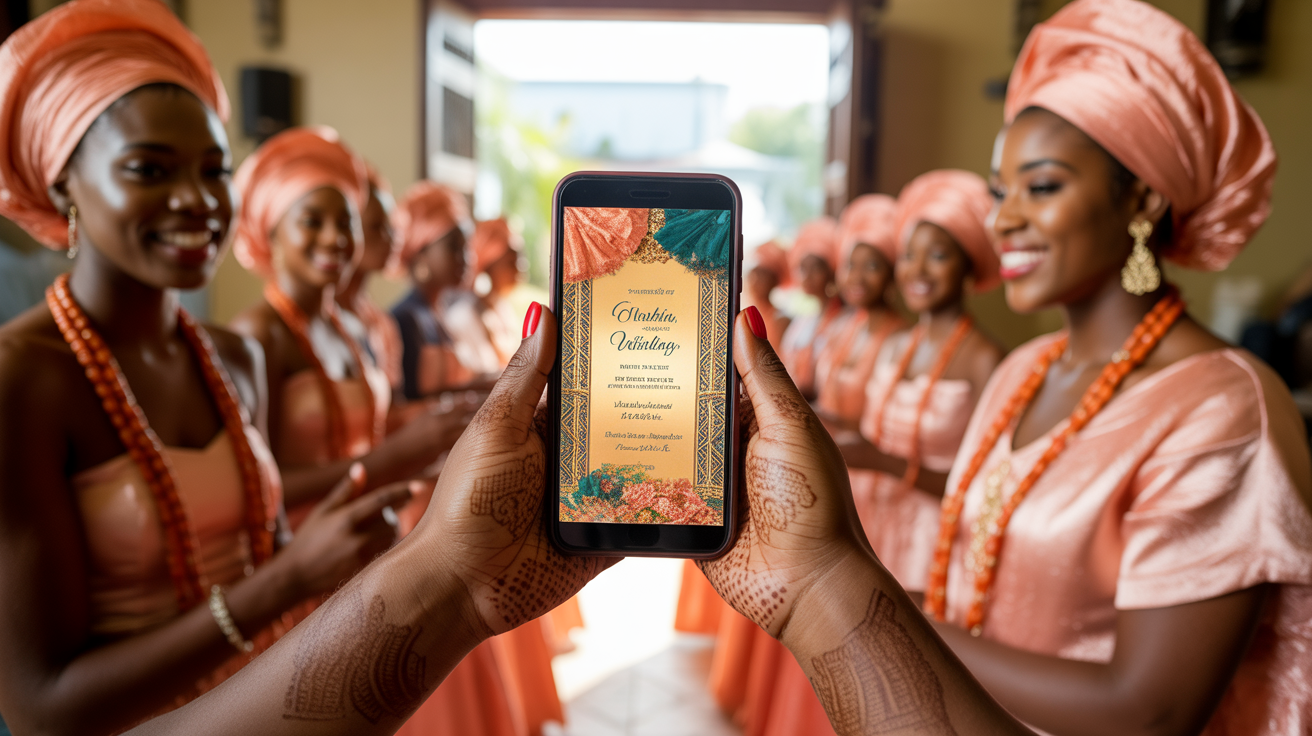
A Wedding That Belongs to Everyone
In Yoruba tradition, a wedding is not an event -- it is a community declaration. The moment two families agree to unite, the celebration ceases to belong only to the couple. It belongs to the lineage, the neighborhood, the church, the mosque, and every auntie who has known the bride since she was three years old. Designing for it demands more than a template.
The Igbeyawo -- the Yoruba traditional wedding -- is one of the most layered, visually rich, and logistically complex celebrations in the world. If you are a couple planning one, or a wedding organizer building a system around one, understanding its structure is the starting point for everything.
The Three-Stage Architecture of Igbeyawo
Most outsiders see the wedding day. Yoruba insiders know there are at least three distinct ceremonial stages, each with its own guest list logic, dress code, and emotional register.
The first stage is the Introduction (Mo mi i ko), a family-facing meeting where the groom's family formally presents themselves. This is intimate by Yoruba standards -- perhaps 80 to 150 people -- but still requires coordination. The second stage is the Engagement (Idana), where bride price is negotiated and gifts are exchanged. This is where the Aso Oke comes out, the color palette is declared, and the visual identity of the wedding begins. The third stage is the Igbeyawo proper -- the traditional wedding ceremony -- which routinely draws 500 to 1,000 guests, and in prominent families, considerably more.
Each stage has different attendees, different dress codes, and different expectations. A single generic invitation cannot serve all three.
The Language of Aso Oke and Color
Yoruba weddings communicate through fabric and color in ways that are both aesthetic and deeply coded. Aso Oke -- the hand-woven textile in Ìṣan, Gèlè, and Ìborùn -- is not decoration. It is announcement. When the family decides on coral and gold, they are signaling something about their heritage, their taste, and their seriousness.
The classic Yoruba wedding palette carries specific weight:
- Coral (Pupa) -- warmth, celebration, and the color most associated with Yoruba royalty and Ife tradition
- Gold -- prosperity, family honor, and generational wealth
- Teal and Indigo -- frequently drawn from Adire eleko resist-dye traditions, grounding the celebration in Yoruba craft heritage
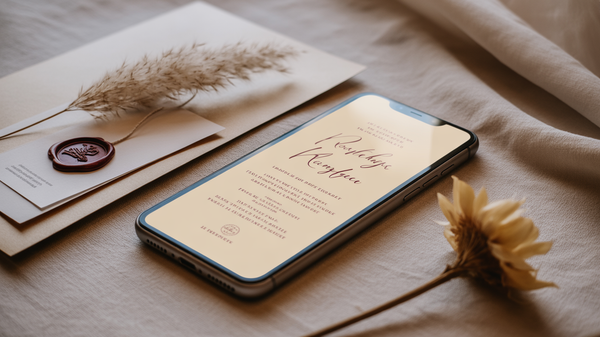
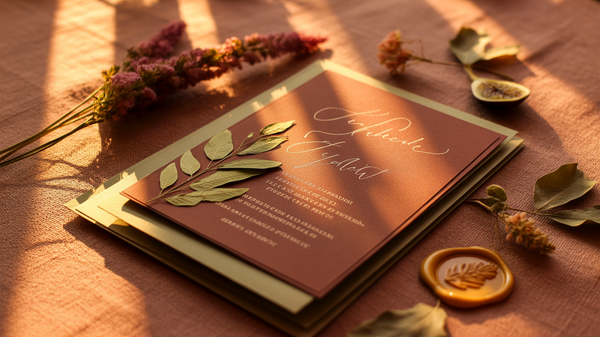
A digital invitation designed for Igbeyawo should pull from these palettes deliberately, not decoratively. Incorporating Adire geometric patterns -- the Ibadandun, the Oniko, the Alabere -- as border motifs or background textures creates visual continuity between the physical fabric the guests will wear and the digital card they received on their phone two weeks earlier. That coherence is what separates a bespoke design from a template with a color swap.
The Alaga: The Ceremony Has a Director
One of the most misunderstood elements of Igbeyawo for those outside the culture is the role of the Alaga. There are two: the Alaga Ijoko, who sits with and represents the bride's family, and the Alaga Iduro, who stands and represents the groom's family. These are professional masters of ceremony, fluent in Yoruba proverb, humor, and protocol. They control the pace of the entire ceremony.
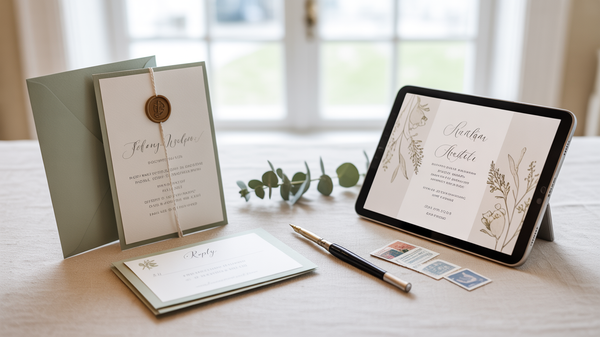
For a digital invitation designer, this matters. The program breakdown -- the itinerary, the ceremony sequence, the cue for when the bride enters -- needs to reflect Alaga-led ceremony logic, not a generic Western timeline. A well-designed wedding website can include a bilingual ceremony guide (Yoruba and English) that prepares guests for what they are about to witness, reducing the confusion that often isolates non-Yoruba guests in large cross-cultural ceremonies.
The Owambe Problem: Designing for a Fluid Guest List
Here is the logistical reality that no template addresses: in Yoruba culture, showing up to a wedding you were not formally invited to is not a faux pas. It is a sign of affection. The owambe -- the exuberant, joyful Yoruba party culture -- operates on the assumption that the more people, the more blessing.
This creates a genuine guest management challenge:
- Formal RSVPs represent only a fraction of actual attendance
- Family delegation hierarchies mean one invitation often covers an entire branch of the family tree
- Day-of walk-ins can add 20 to 30 percent to the expected headcount
- Seating assignments, catering counts, and aso-ebi fabric orders all carry uncertainty
The solution is not to fight the culture. It is to build infrastructure around it. A well-structured digital invitation system should track RSVPs per ceremony stage separately, allow family leads to register sub-groups under a single code, and give the WO a live dashboard rather than a WhatsApp thread that stopped making sense on day three.
Bilingual RSVP flows -- with Yoruba as the primary language option -- signal cultural fluency immediately. That small design decision alone shifts the invitation from functional to respectful.
Design as Cultural Stewardship
The couples and families commissioning Yoruba traditional wedding invitations are not looking for something 'African-inspired.' They are looking for something that reflects the specific visual grammar of their heritage -- the particular weight of an Aso Oke Gèlè rendered in digital textile patterns, the right honorific structure in the invitation copy (family names before personal names, elders named first), the correct Yoruba phrasing for the ceremony date.
This is not work that a drag-and-drop template builder can do. It requires a studio that asks the right questions before opening a design file.
If you are planning an Igbeyawo -- or building a service offering around them -- the Wedwebs team works closely with couples and WOs to create digital invitation suites that are designed for the full ceremony arc, not just the headline event. Explore our portfolio or bring your brief directly. The conversation starts with the culture, not the color picker.