The Wedding Organizer as Creative Director: Why the Best Clients in 2026 Are Hiring a Vision, Not a Vendor List
The WOs winning premium clients in 2026 lead with creative vision, not vendor lists. Here is what brand thinking looks like in practice -- and why it is now the only real differentiator at the top tier.

The Shift Most WOs Are Missing
The wedding organizers winning the most premium clients right now are not the ones with the deepest rolodex or the fastest response time on WhatsApp. They are the ones who understand, at a fundamental level, that a wedding is a brand expression -- and that their job is to be the creative director of that brand for the 12 months leading up to the day itself.
This is not a minor reframe. It changes everything about how you position, how you pitch, and how you work.
The couples driving this shift are not a niche. They are increasingly the norm in premium markets -- from Sydney to Dubai to Toronto. They arrive at discovery calls with a saved folder of references, a vocabulary around visual identity, and an instinct for what feels coherent versus what feels assembled. They are not looking for someone to manage their vendor payments. They are looking for someone who can look at their references and say, 'here is what I see, here is the story we are telling, and here is how every detail will serve that story.'
WOs who lead with logistics in those calls are being passed over. Not because logistics do not matter -- they matter enormously -- but because competent logistics are now the floor, not the ceiling.
What 'Brand Thinking' Actually Means in a Wedding Context
When a couple thinks in terms of brand, they are asking three questions that they may not be articulating out loud.
First: what is the visual identity? Not just 'what are our colors,' but what is the graphic language, the typographic mood, the material palette, the spatial feeling? Does it feel like a private art opening in Copenhagen or a garden ceremony in Marrakech? These are not interchangeable. The visual identity should be specific enough that a florist, a calligrapher, and a digital invitation studio can all receive the same brief and produce work that reads as a single cohesive world.
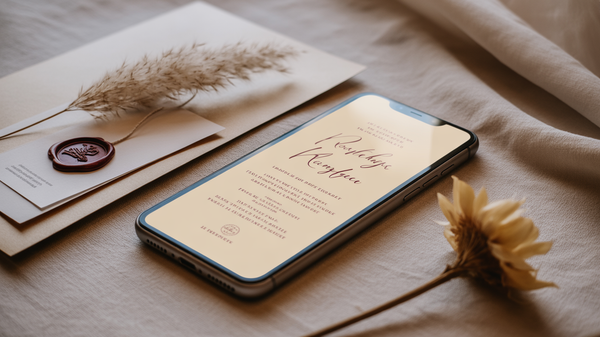
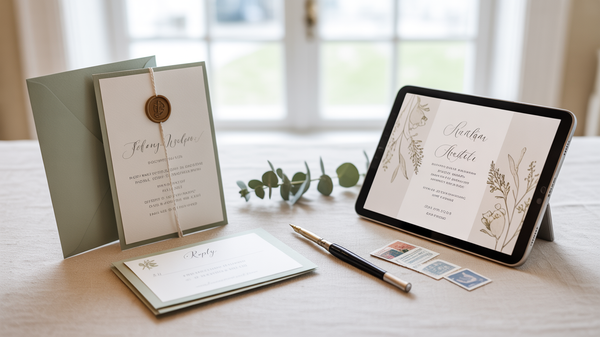
Second: what is the guest journey? From the moment the invitation arrives in someone's inbox to the moment they walk out of the reception, every touchpoint is either building or eroding an experience. The invitation is not administrative. It is the first physical or digital artifact of the wedding's identity. A guest who receives a beautifully designed digital invitation on a custom domain, with a smooth RSVP flow and a curated welcome message, has already started to feel the wedding before they have stepped into a venue.
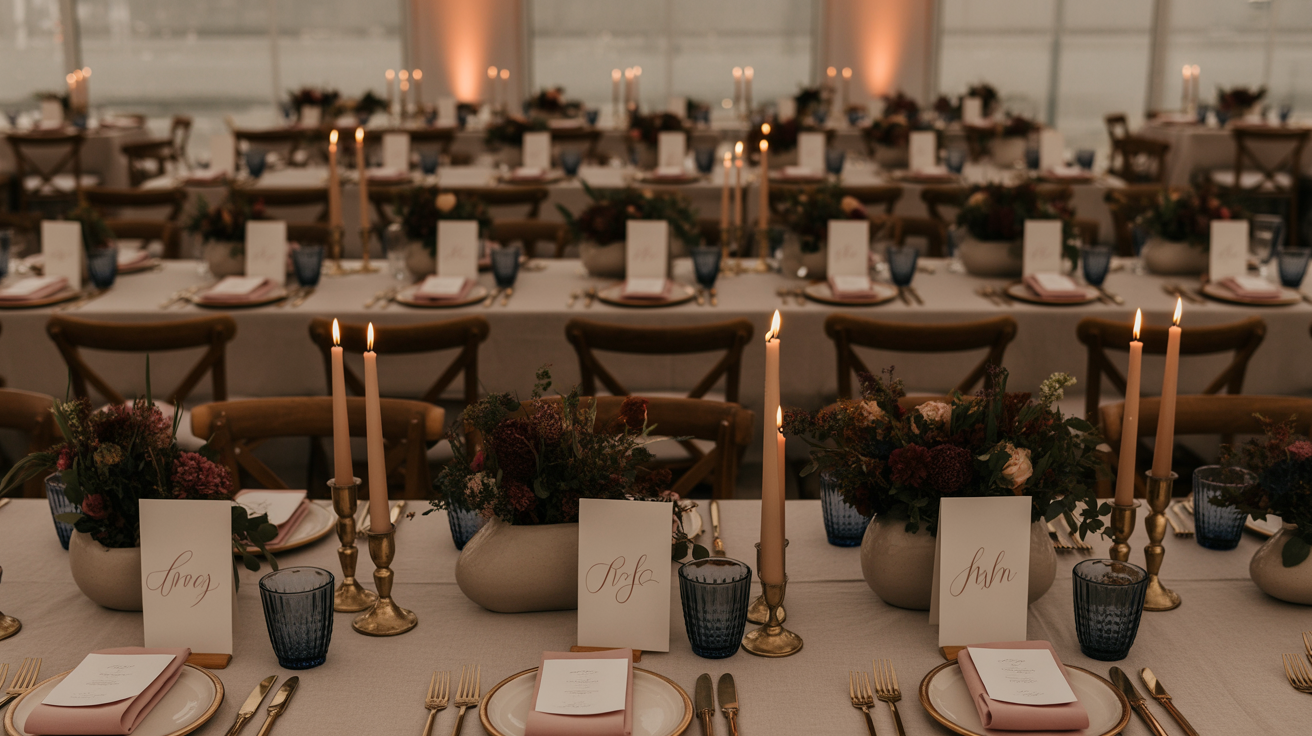
Third: what is the emotional narrative? What do you want guests to feel at 9:30pm when the speeches are over and the dancing has just started? Working backward from that moment -- through the ceremony, the welcome drinks, the table settings, the music transitions -- is how creative directors think. It is not how logistics coordinators think.
The Gap Between Where WOs Are and Where the Market Is Going
Here is the uncomfortable part. Most WOs are operationally excellent and creatively underdeveloped -- not because they lack taste, but because the industry has historically rewarded execution over curation. The WO who could manage 400 guests across three venues without a single catering error was the gold standard.
That standard still matters. But it is no longer sufficient to win at the premium tier.
The WOs who will dominate the next three years are building something different. They are developing a point of view on design -- a recognizable aesthetic sensibility that attracts a specific kind of client rather than trying to serve everyone. They are recommending digital-first guest experiences not as a technology upgrade but as a natural extension of the brand they are building. They are positioning themselves in their marketing, their proposals, and their conversations as curators rather than coordinators.
This is not about becoming a designer. It is about developing enough visual and experiential fluency to lead the creative conversation rather than defer it to the couple or the florist.
The Practical Entry Point
If this gap feels wide, start with the touchpoints you already control. The digital invitation is one of the most underutilized creative assets in a WO's toolkit. Most WOs treat it as a functional item -- something to dispatch and track. The forward-thinking ones treat it as the opening statement of the wedding's identity, designed with the same intentionality as the centerpieces.
When you can walk into a discovery call and show a prospective couple a portfolio of invitation experiences -- not just templates, but cohesive branded worlds with custom typography, motion design, and a seamless guest flow -- you are demonstrating creative directorship before you have said a word about vendor management.
The couples worth working with will notice immediately.
Wedwebs works with WOs who are making this transition -- studios that want to offer genuinely premium digital invitation experiences as part of a larger creative vision. If you are rethinking how you position your services at the premium tier, explore how forward-thinking studios are working with us at wedwebs.com.