Your Clients Are Rating You on Something You Have Never Optimized For
High-rated wedding planners are not just investing in aesthetics -- they are investing in communication infrastructure. Here is the expectation gap most WOs have never optimized for.

The Review That Should Have Stung More
Your clients are rating you on something you have never optimized for. And it is not the flowers.
A WO in Sydney recently shared a client review that, on the surface, looked positive. Four stars. Praised the florals, loved the venue styling, called the ceremony 'beautiful.' Then buried in the third paragraph: 'communication was a bit chaotic, and we weren't sure where guests were supposed to go at arrival.' Four stars. For a wedding that cost six figures to produce.
The planner told me she read that review three times and still could not figure out what she had done wrong. The florals were immaculate. The venue was styled to the last detail. The ceremony ran on time. She had optimized everything she knew to optimize -- and still lost a full star to something she had never once considered a deliverable.
The Expectation Gap Nobody Talks About
The bride who hired you in 2025 or 2026 grew up with Airbnb, Uber, and one-click checkout. She has been conditioned -- at a cellular level -- to expect seamlessness from every service she pays for. When she books a flight, she gets a confirmation in seconds, a boarding pass on her phone, and a real-time gate update the morning of departure. She does not think of this as exceptional. She thinks of it as normal.
Now she is planning her wedding. And she is running that same unconscious benchmark against your operation.
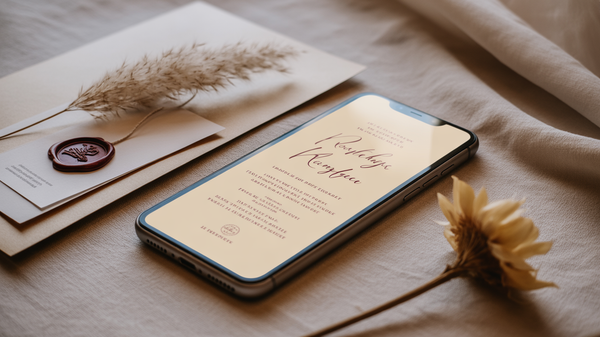
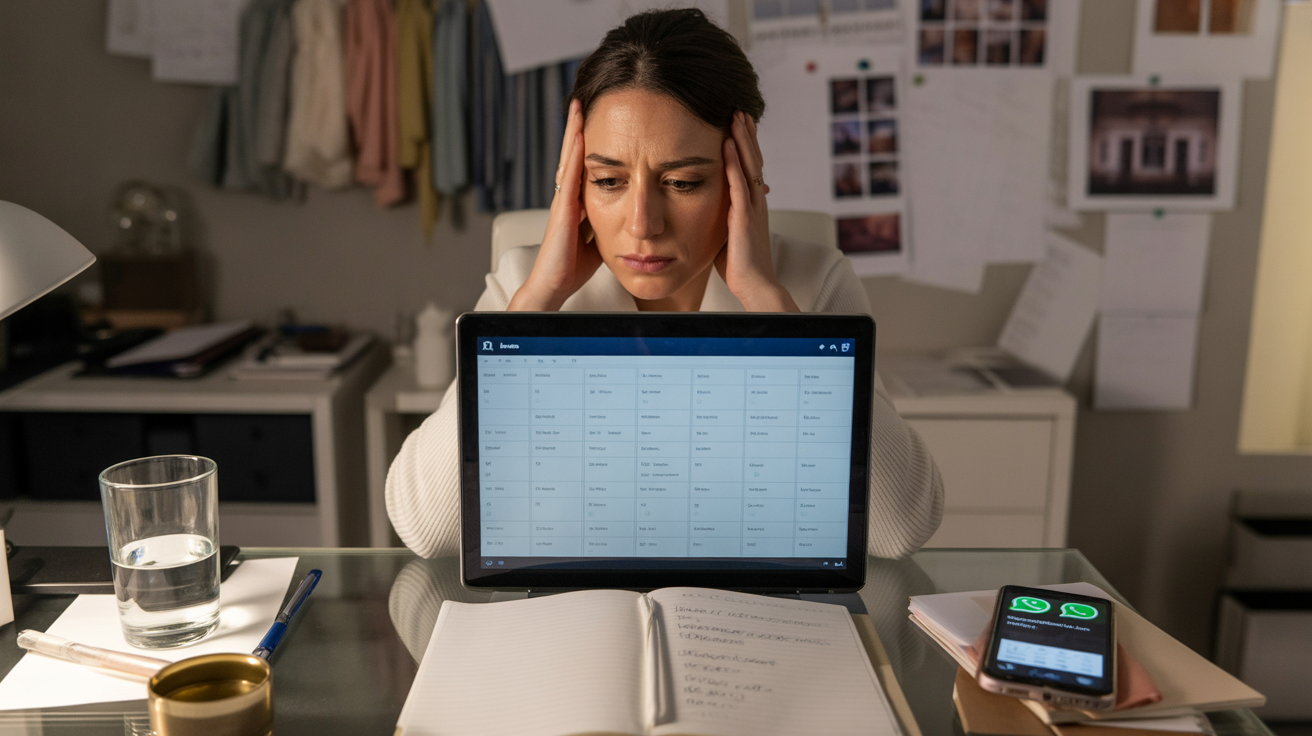
When her digital invitation requires four clicks to RSVP and does not work on mobile, she notices. When she receives twelve WhatsApp messages from you in a single week -- each one a fragment of information that should have lived in one organized place -- she notices. When her guests arrive at the venue and cannot find parking instructions, cannot remember the dress code, and have no idea which entrance to use, she notices. She may not articulate any of this in words. But she feels it. And eventually, she writes a review.
This is the expectation gap. And it is quietly eroding margins and referral rates for planners who are still investing exclusively in what is visible.
What High-Rated Planners Are Actually Doing Differently
Look across markets at the WOs consistently pulling five-star reviews and repeat referrals -- studios in Lagos managing 800-guest multi-day celebrations, boutique planners in Dubai handling high-net-worth destination events, operators in Toronto and Sydney building strong word-of-mouth pipelines -- and a pattern emerges that has nothing to do with florist relationships.
They have closed the expectation gap by treating guest communication infrastructure as a line item, not an afterthought.
Specifically, they have standardized:
- A single digital destination that guests return to for all event information (not a thread of WhatsApp messages)
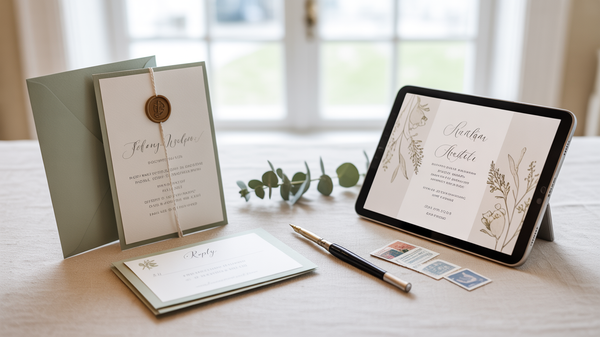
- Web-based invitation systems with frictionless RSVP flows that work in under 60 seconds on any device
- Proactive communication cadences -- logistics sent to guests at 4 weeks, 2 weeks, and 48 hours before the event
- Real-time guest data that the WO can actually act on, not a chaotic spreadsheet compiled from 300 individual replies
None of this replaces the creative work. The florals still matter. The venue still matters. The styling is still the thing that ends up in the photographs. But the planners who understand this have stopped treating logistics as the unglamorous back half of the job. They treat it as part of the product.
The Contrarian Reframe
Here is the uncomfortable truth: a poorly executed RSVP system costs you more than a poorly chosen centerpiece. A guest who could not figure out how to confirm their attendance, or who showed up to the wrong entrance, or who received contradictory information across three different WhatsApp messages -- that guest becomes part of the story the couple tells at dinner for the next year.
Beauty is expected. Seamlessness is remembered.
The planners who are winning in premium markets have figured out that 'luxury' is not just an aesthetic category. It is an operational category. It means the experience of being a guest at this wedding felt effortless. It means the couple never once felt anxious about whether their guests were informed. It means the WO was not spending the week before the event manually forwarding parking details to 40 different family members.
The investment required to close this gap is not enormous. But it does require a decision to stop treating guest communication as a task and start treating it as a discipline.
The Forward-Looking Question
The WOs who will lead their markets in the next three years are not necessarily the ones with the best florist contacts or the most beautiful portfolios. They are the ones who recognized early that their product is the entire experience -- from the moment the invitation lands in the guest's inbox to the moment the last car leaves the venue.
If you are still measuring your operation exclusively by what shows up in the photographs, it is worth asking: what are the guests experiencing between the frames?
Wedwebs works with WOs across Southeast Asia, the Middle East, Africa, and beyond who are actively closing this gap -- building digital invitation systems and guest communication infrastructure that perform at the same level as the events they serve. If that conversation is relevant to where you are taking your business, we would genuinely enjoy having it.