The Quiet Split Happening Inside the Wedding Industry Right Now
The wedding planning industry is quietly splitting into two camps: organizers running digital-first operations and those still relying on manual hustle. The gap will define who wins premium clients in the next decade.

Two Kinds of Wedding Organizers Are Emerging
Something is happening inside the wedding planning industry that most people aren't talking about openly yet. The field is splitting -- not dramatically, not with a single defining moment, but quietly and structurally -- into two distinct camps.
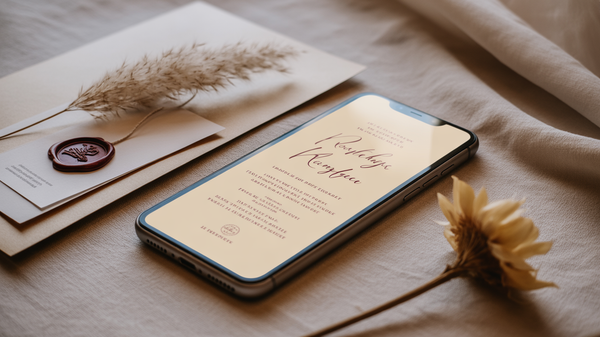
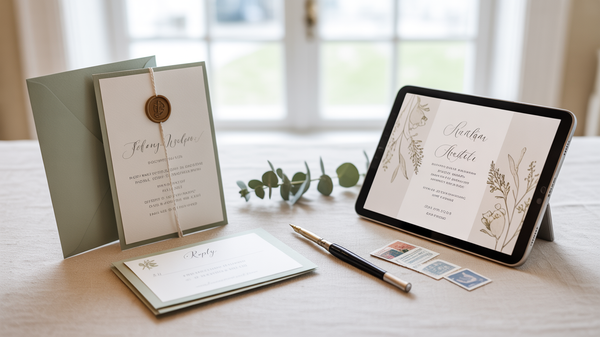
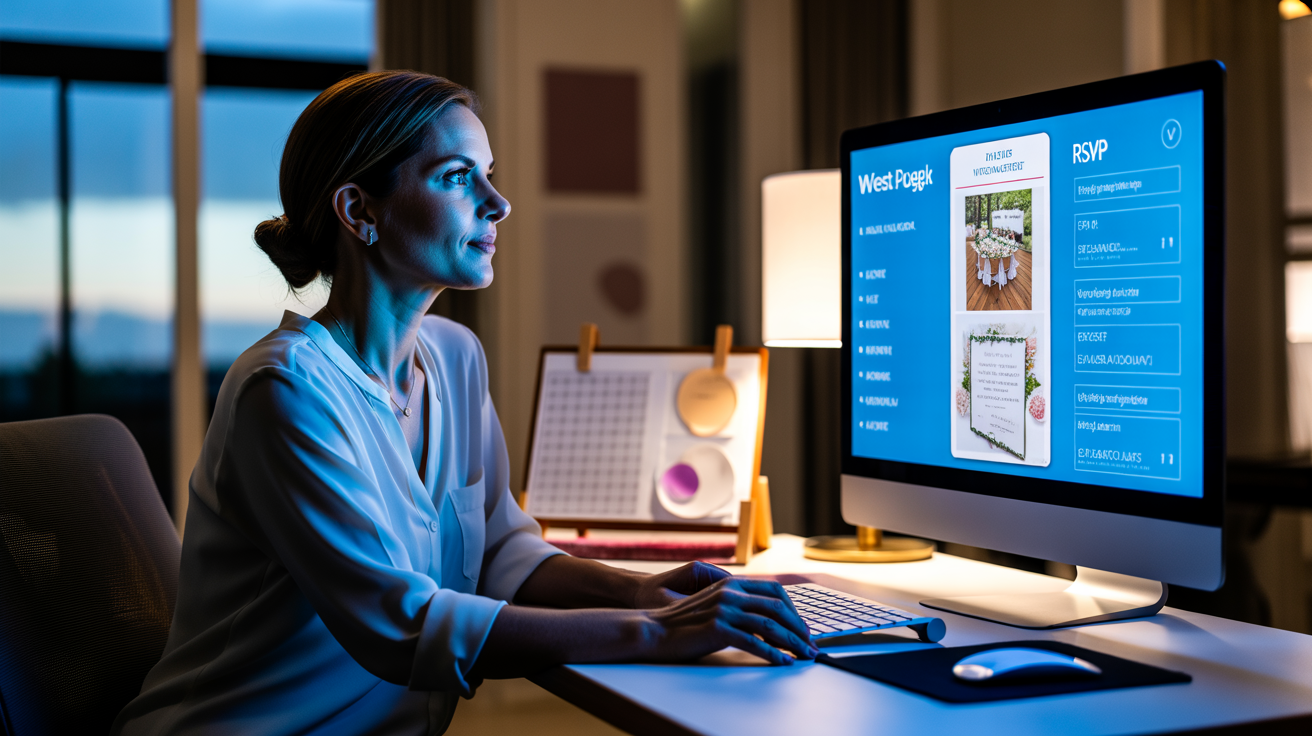
On one side: organizers who have built digital-first operations. They run centralized guest data. They send web-based invitations that collect RSVPs automatically. Their coordination happens in systems, not in their personal WhatsApp inbox. On the other side: planners who are still routing everything through manual effort, personal hustle, and the sheer force of their own availability. Both camps are busy right now. The divergence will become visible in three years.
The Client Who Is Changing Everything
The bride getting married in 2025 is not the same client from 2018. She has planned a trip to Japan using a single app. She has managed a 40-person corporate offsite with a project management tool. She has sent a digital holiday card to 200 people without breaking a sweat. She arrives at your first consultation with a Pinterest board, a shortlist of questions about your process, and a quiet but non-negotiable expectation: that working with you will feel as seamless as the best digital experience she uses in her daily life.
This is not about technology for technology's sake. It is about what a fragmented guest management process communicates to her about your operation. When RSVPs arrive through three different channels and seating information lives in a spreadsheet only you can read, she feels it -- as friction, as uncertainty, as a low-grade anxiety that the day might not go as planned. She may not articulate it that way. She will simply choose the other organizer next time, and she will tell her friends why.
The Referral Erosion Nobody Tracks
Premium clients are not lost in a single dramatic failure. They are lost incrementally, through a dozen small moments where the experience fell slightly short of what they imagined. A slow RSVP confirmation. A guest who showed up at the wrong entrance because the event information wasn't clearly communicated. A seating plan that had to be reprinted twice because the data was never centralized.
None of these moments make the post-wedding review. But they shape it. And they shape what that bride tells her colleague who is getting married in 18 months. The organizers who are quietly losing premium clients rarely know it is happening until their inquiry quality shifts -- and by then, the gap between them and their digitally-organized competitors has become structural.
A Portfolio Is Not a Business Model
Here is the more uncomfortable observation: a beautiful portfolio and strong vendor relationships will carry a planning business to a certain ceiling. They have always been enough to build a reputation. But they are no longer sufficient to build a scalable operation that attracts the most expectation-driven clients in the market.
The WOs who will define the next decade are not just collecting beautiful weddings to post. They are building systems -- for guest communication, for data collection, for the invitation experience that sets the tone before a single candle is lit at the venue. A system compounds. A portfolio requires you to start from zero every time.
In cities like Dubai, Lagos, and Sydney, where the premium wedding market is intensely competitive and brides are globally mobile, this shift is already visible. The organizers leading those markets are not necessarily the most creative in the room. They are the most systematized.
What the Forward-Looking Organizer Is Actually Building
The question is not whether digital guest management matters. It clearly does. The real question is whether you are building the infrastructure now, while the gap is still closeable, or waiting until the gap becomes your market position.
The planners building that infrastructure are treating the digital invitation experience as the first chapter of the wedding day, not an afterthought. They are connecting that experience to centralized RSVP data. They are offering their brides something their competitors cannot: a guest journey that feels considered from the first URL click to the final farewell at the venue door.
Wedwebs works with forward-thinking organizers who are building exactly that kind of operation -- not as a vendor, but as a digital infrastructure partner. If you are evaluating how your current guest management workflow compares to where the industry is heading, that is a conversation worth having.