
She Could Close Any Client. Keeping Them Was a Different Problem.
Talented wedding organizers often lose clients not during the pitch, but in the silence after the contract is signed. A structured digital communication system turns that gap into a loyalty engine.

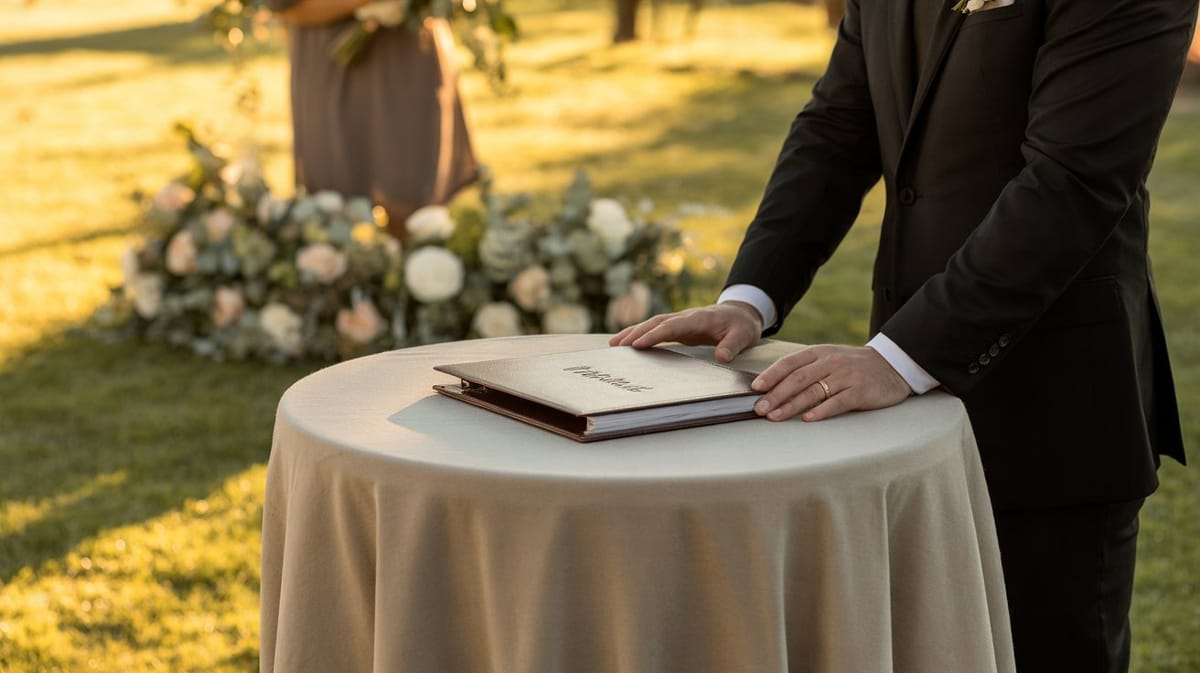
She had a gift for the first meeting. Couples would sit across from her, nervous and overwhelmed, and leave feeling like everything was already handled. Her conversion rate was the envy of every planner in her city. The contracts came in. The deposits cleared. And then, quietly, some of those clients started to drift.
The Gap Between Signing and the Wedding Day
The problem was never her talent. It was the silence.
After a contract was signed, the next formal touchpoint was often weeks away. She intended to follow up. She had sticky notes and mental reminders and a WhatsApp thread she kept meaning to respond to. But she was also managing four other weddings simultaneously, chasing vendors in different time zones, and rebuilding a seating plan after a venue changed its floor layout at short notice.
Her new clients, sitting at home with a signed contract and a head full of wedding anxiety, had no way of knowing any of that. What they experienced was quiet. And in the absence of communication, couples fill the silence with doubt.
The Client She Almost Lost Before the Wedding Even Started
One bride, eight months out from her wedding date, sent a message on a Tuesday asking about her initial design preferences for the digital invitation suite. A simple question. The kind that takes four minutes to answer.
The reply came on Friday.
By Thursday, the bride had already messaged a second wedding organizer. Not to cancel, not yet. Just to 'explore options.' But that conversation opened a door, and doors that open rarely close cleanly. The bride stayed, but the trust had a fracture in it. The post-wedding referral that should have followed never materialized. When her colleague got engaged six months later, the bride recommended 'someone else she had also spoken to.'
That single delayed reply cost a relationship and a referral. In a business built on word of mouth, that is not a small number.
The Real Cost Is Invisible Until It Compounds
The organizer started doing the math she had been avoiding. How many couples had she lost to competitors not during the sales process, but after signing? How many referrals had gone quiet? How many brides had arrived at their wedding day feeling managed rather than championed?
The issue was structural, not personal. She was running a high-touch service business on a low-touch communication system. Her follow-up was reactive, inconsistent, and entirely dependent on her own bandwidth. When bandwidth ran out, so did the relationship warmth.
This is the operational trap that catches talented planners specifically because their strength is in-person. They close brilliantly and then trust that the relationship will hold itself together between meetings. It does not.
What a Structured Communication Workflow Actually Looks Like
The shift began when she stopped thinking of client communication as a task and started thinking of it as a system with stages.
She mapped the months between signing and the wedding date and identified seven natural milestone moments: contract confirmation, the first design briefing, the digital invitation launch, the RSVP window opening, the guest list consolidation, the final headcount confirmation, and the week-before check-in. Each milestone became a planned touchpoint with a purpose, not just a 'just checking in' message that both parties find hollow.
Instead of drafting every message from scratch under pressure, she built templated sequences for each milestone and connected them to her project management timeline. When the digital invitation went live for a couple, an automated message went out the same day acknowledging it and telling them exactly what to expect from the RSVP tracking over the next three weeks. When the RSVP window closed, another touchpoint followed within 24 hours with a summary and next steps.
The messages were warm and specific, because she had written them herself during a calm moment rather than a chaotic one. The timing was consistent, because it was no longer dependent on her remembering.
For her digital invitation work, she brought in Wedwebs as an infrastructure partner. The invitation builds, revision cycles, and guest data were handled within a single system, which meant the milestone triggers tied directly to real wedding events rather than arbitrary calendar dates. When the guest list hit 80 percent confirmed, the system flagged it. The couple got a message within the hour.
Retention Is the Business Model
A year into running this structure, something shifted in how her couples talked about her. Not just 'she did a beautiful job' but 'she was with us the whole time.' That distinction, small in phrasing and enormous in meaning, changed the quality of her referrals. Couples who feel accompanied refer differently from couples who feel serviced. They are more specific, more enthusiastic, and more likely to refer to people who matter.
She still closes well. But she no longer measures her business only by what she signs. She measures it by what she keeps.
Acquisition fills the pipeline. Retention builds the business. The organizers who understand that difference early are the ones who stop competing on price and start competing on trust.
If you want to explore how Wedwebs can serve as the digital infrastructure layer that makes structured client communication consistent across every wedding you manage, the conversation starts at wedwebs.co.