From Logistics to Emotional Architecture: Why the Experience Economy Is Rewriting the Rules of Premium Wedding Planning
The experience economy transformed hospitality and retail years ago -- and it is now rewriting the rules of premium wedding planning. WOs who adopt a hospitality-design mindset, backed by the right digital infrastructure, are the ones defining what premium planning looks like next.

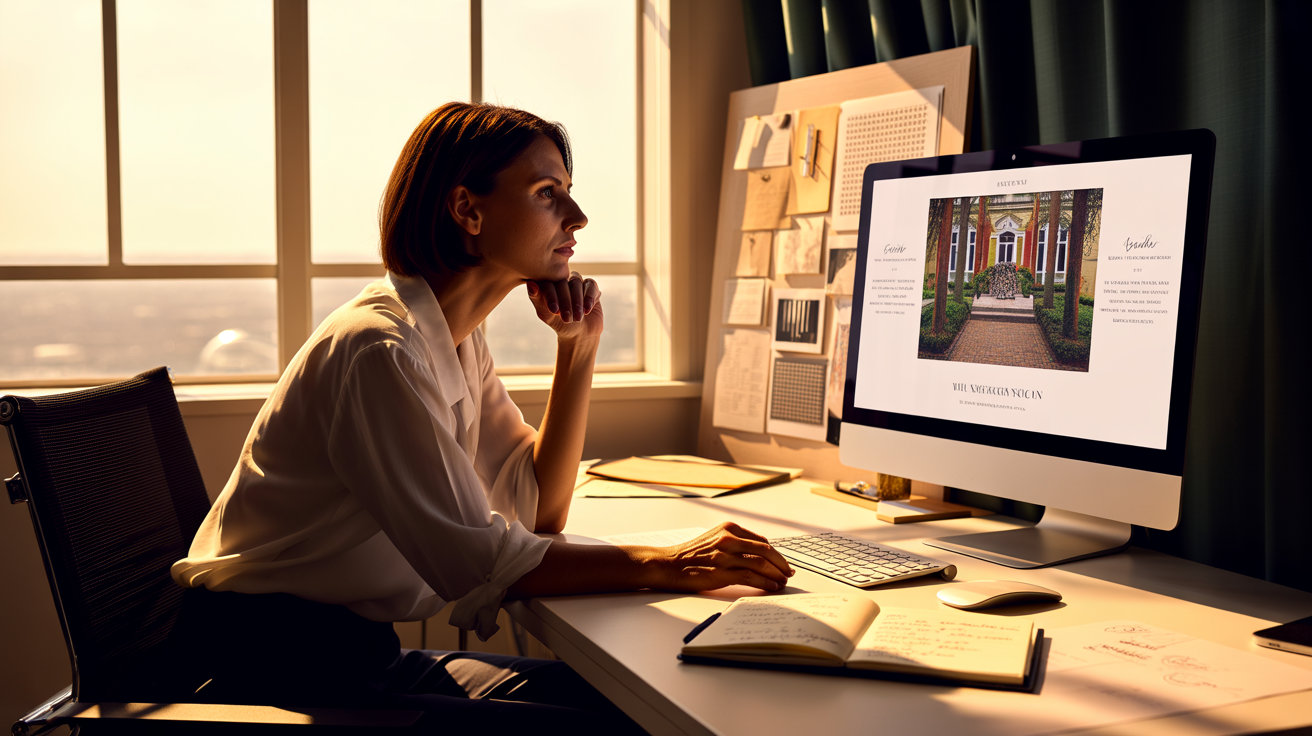
The Industry Shift Nobody Warned Wedding Organizers About
Hospitality figured this out in 2010. Retail figured it out around 2015. The experience economy -- the idea that people pay a premium not for goods or services, but for how those goods and services make them feel -- has quietly restructured entire industries. And now, a decade late, it is arriving at the wedding industry's front door.
The WOs who are still leading with 'we handle all the logistics' are finding that pitch increasingly difficult to sell at the rates they deserve. Not because logistics are unimportant -- they are the backbone of every successful wedding -- but because logistics have become the floor, not the ceiling. Modern couples expect operational flawlessness the way they expect Wi-Fi in a hotel room. It is assumed. What they are actually paying for, and what they will recommend you for, is something harder to manufacture: the feeling of having been truly hosted.
What Modern Brides Are Actually Expecting
Spend time with couples planning weddings in Dubai, Lagos, Sydney, or Toronto right now and a pattern emerges quickly. They are not Pinterest-boarding venues. They are Pinterest-boarding atmospheres, sensations, and narrative arcs. They want their wedding to feel like a world their guests stepped into, not an event their guests attended.
This translates into very specific operational expectations:
- A cohesive visual and tonal identity that runs from the first digital touchpoint through to the farewell moment
- Guest communications that feel curated, not administrative -- the difference between a welcome note and a confirmation email
- Branded micro-moments at every stage: the RSVP experience, the schedule reveal, the venue map, the menu preview
- A sense of being guided, not just informed -- guests should never wonder what happens next
This is what hospitality designers call a 'guest journey,' and it is the framework that luxury hotels, high-end restaurants, and boutique travel operators have built billion-dollar businesses around. The couples planning premium weddings in 2024 and 2025 have lived inside that hospitality economy. They have stayed at properties where every detail was intentional. They now expect their wedding to meet that same standard.
The Invitation Is Not Stationery Anymore
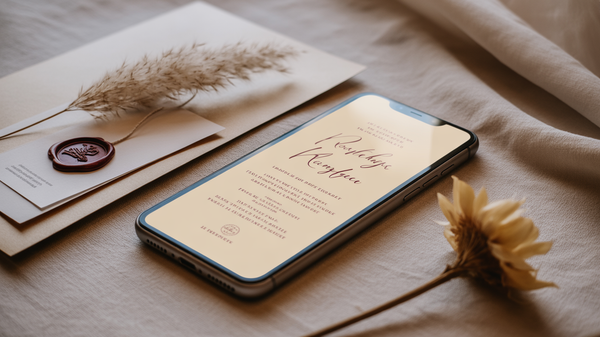
Here is the uncomfortable truth for any WO still treating the digital invitation as an afterthought: it is not the beginning of the guest communication process. It is the opening scene of the entire wedding experience.
The moment a guest receives a digital invitation, several things happen simultaneously. They form an expectation about the wedding's aesthetic register. They make a judgment about the couple's taste. They begin to anticipate the level of care and intention they are about to experience. All of this happens before they have even confirmed their attendance.
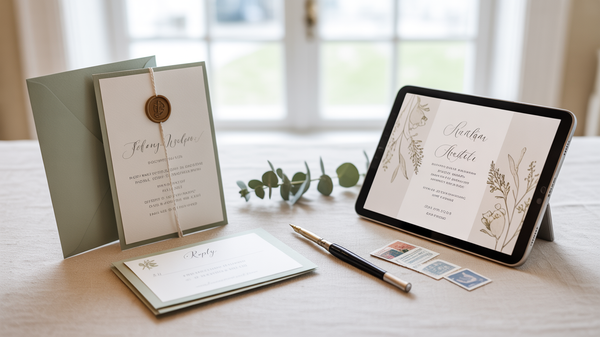
A generic template signals generic execution. A beautifully crafted, bespoke digital invitation -- one with a considered typographic hierarchy, a color palette that is clearly intentional, and a guest flow that feels effortless -- signals that every subsequent detail has been handled with the same standard of care. It is the same reason Dior puts the same level of craft into a shopping bag as into a couture gown. The signal matters at every touchpoint.
For WOs, this reframing has a direct business implication. The invitation is no longer a line item on a vendor checklist. It is an infrastructure piece -- one that sets guest expectations, carries the wedding's visual identity, and begins the hosted feeling that the couple is paying you to create.
The WOs Who Will Define the Next Generation of Premium Planning
The WOs who are moving fastest right now share a common trait: they have adopted a hospitality-design mindset without abandoning operational discipline. They think in guest journeys, not task lists. They brief their digital invitation partners the way a brand director briefs a creative agency -- with identity guidelines, tonal references, and a clear sense of the emotional register they are trying to achieve.
They also understand that this mindset only scales with the right digital infrastructure behind it. A beautifully designed invitation that creates a chaotic RSVP process on the backend destroys the very experience it was supposed to set up. The guest journey has to be seamless end-to-end -- from the first visual impression through to the data that tells you, two weeks before the wedding, exactly who is coming, what they need, and where they are sitting.
The WOs who invest in that full-stack approach -- premium design at the front, clean systems at the back -- are the ones building the kind of portfolio and reputation that compounds. Their couples do not just leave happy. They leave as advocates, because they experienced something that felt genuinely rare.
That is what the experience economy rewards. And that is the standard worth building toward.
If you are thinking about what a hospitality-design mindset looks like in practice for your studio, explore how forward-thinking WOs across Southeast Asia, the Middle East, and beyond are operating with Wedwebs as their digital invitation and guest management partner. The conversation is worth having.